
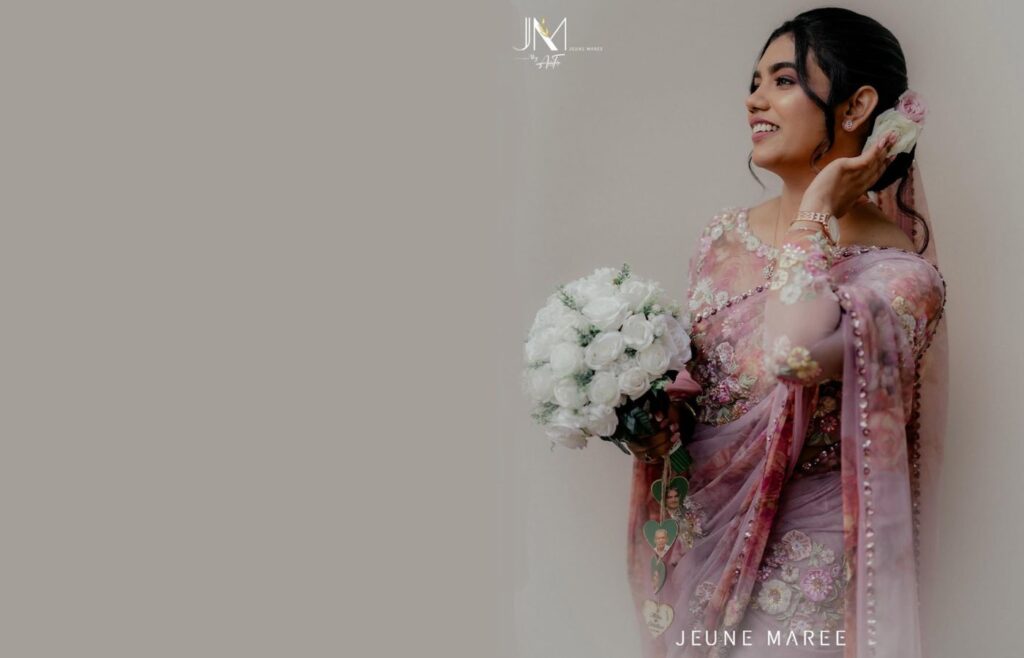
How to Choose the Right Fabric for Kerala’s Climate on Your Wedding Day
We get it. Being a Kerala bride is a dream, but dealing with the humidity is a real challenge. You shouldn’t have to choose between looking like a queen and feeling comfortable. The secret weapon? It’s not just the AC—it’s the fabric you wear.
If you are hunting for the best wedding fabric Kerala climate friendly and fabulous, you’ve landed on the right page of Juene Maree. Let’s decode how to beat the heat while looking like a dream.
The "Sticky" Situation: Climate Challenges for Kerala Brides
Kerala isn’t just hot; it’s humid. Unlike the dry heat of Rajasthan, our coastal humidity clings to you. This means your sweat doesn’t evaporate easily, making heavy fabrics feel like a plastic wrap sauna.
The biggest challenge isn’t just the temperature; it’s the “heaviness” of the air. Kerala humidity bridal wear needs to be about airflow. If the fabric doesn’t breathe, neither does your skin. A bride who is uncomfortable will show it in her photos—fidgeting, adjusting the dress , and looking exhausted. We want you breezing through the ceremony, not fainting in it
Best Breathable Fabrics for Summer Weddings
So, what should you actually wear? The best wedding fabric Kerala climate experts recommend is one that mimics the airiness of cotton but retains the grandeur of a wedding. Here are the top contenders:
- Tissue Silk (The Modern Classic)
You can’t talk about Kerala weddings without mentioning Kasavu. But traditional heavy Kasavu can be thick. Opt for Tissue Silk. It has that gorgeous golden sheen essential for a Malayali wedding but is significantly lighter and stiffer (in a good way), keeping the fabric away from your skin rather than clinging to it.
- Organza (The Trendy Savior)
Organza is having a massive moment right now, and for good reason. It is sheer, crisp, and incredibly lightweight. It gives you volume without the weight. An Organza saree or lehenga allows maximum airflow, making it a top contender for the best wedding fabric Kerala climate scenarios.
- Pure Georgette (The Flowy Bestie)
If you want that “Sabyasachi” drape without the weight of velvet, go for pure Georgette. It’s semi-sheer and has a bouncy drape. Unlike stiff silks, Georgette moves with you. It’s porous, meaning the breeze can actually get through to your skin.
- Chanderi Silk (The Royal Light)
Chanderi is the perfect middle ground. It blends silk and cotton, giving you the rich shine of silk with the cooling properties of cotton. It’s one of those lightweight bridal fabrics that looks regal but feels like a feather.
The "No-Go" Zone: Fabrics to Avoid
Unless you are getting married in a freezer, steer clear of these. They are humidity traps:
- Heavy Velvet: Save this for a December wedding in Delhi. In Kerala, velvet is basically a wearable blanket.
- Thick Raw Silk: While beautiful, thick raw silk doesn’t let air pass. You will create your own micro-climate inside that blouse.
- Polyester/Nylon Blends: These are essentially plastic. They trap heat and sweat, leading to those dreaded sweat patches.
- Heavy Satin: Satin shows sweat marks faster than any other fabric. Avoid it for day weddings.
Ideal Fabrics: Sarees vs. Lehengas
The debate continues: Saree or Lehenga? The structure of the outfit changes how the fabric behaves.
For Sarees
For sarees, you want pleats that stay put but don’t add bulk at the waist.
Winner: Tissue Silk or Organza. They hold pleats beautifully and the pallu sits structured without weighing down your shoulder.
Runner up: Chiffon. If you want a saree that hugs your curves (think Bollywood style), Chiffon is great, but ensure it’s high quality so it doesn’t look flimsy.
For Lehengas
Lehengas have layers, which equals heat.
Winner: Georgette or Tulle (Net). A Georgette lehenga skirt is flowy and airy.
Pro Tip: The “Can-Can” (the mesh underneath that gives volume) is the real heat culprit. Ask your designer for a single layer of soft tulle instead of the heavy, scratchy wire mesh. This simple swap transforms Kerala humidity bridal wear into something bearable.
Fabric Choices: Day vs. Night Weddings
Lighting changes everything. A fabric that looks great in sunlight might look dull at night, and vice-versa.
The Day Wedding (Outdoor/Backwater)
Sunlight is unforgiving to cheap fabrics. You need matte or soft-sheen textures.
Go For: Organza in pastels, Chanderi in ivory or gold, or soft Tissue.
Why: These fabrics reflect light softly and don’t look “oily” in the sun. They are the best wedding fabric Kerala climate offers for daytime heat.
The Night Wedding (Reception/Indoor)
Here you can go a bit heavier because it’s likely air-conditioned.
Go For: Mysore Silk, Crepe, or lighter weaves of Kanjeevaram.
Why: You want fabrics that catch the artificial lights. Sequins on Georgette work wonders here because the fabric is light, but the embellishments add the “night” glam.
Tips to Stay Comfortable in Humidity
Even with the best wedding fabric Kerala climate approved, you need a few extra hacks:
- The Blouse Lining: This is crucial. Ensure your blouse is lined with 100% pre-washed cotton. Even if the outer layer is silk, the cotton against your skin will absorb the sweat.
- Hair Up, Always: Humidity = Frizz. A bun isn’t just traditional; it keeps your neck exposed to the air.
- Cooling Patches: You can buy fever cooling patches (yes, for babies!) and stick them on your lower back or under heavy jewellery. They are life-savers.
- Hydrate
How to Test Fabric Quality Before Buying
Don’t just trust the shopkeeper. Here is how you can test if a fabric is truly breathable before you buy:
- The “Blow” Test: Hold the fabric up to your mouth and blow through it. If you can easily feel the air on your hand behind the fabric, it’s breathable. If the air is blocked, it’s going to trap heat.
- The Scrunch Test: Scrunch a handful of the fabric. Lightweight bridal fabrics like pure Georgette or soft silk will bounce back. If it stays stiff or crinkles like paper (and it’s not meant to be crushed silk), it might be too synthetic.
- The Touch Test: Rub the fabric against the inside of your wrist (sensitive skin area). If it feels scratchy or warms up instantly, skip it.
- Weight Check: Lift the whole saree or lehenga. If your arm gets tired holding it for 2 minutes, imagine wearing it for 6 hours!
Conclusion
Your wedding day is a marathon, not a sprint. Choosing the best wedding fabric Kerala climate allows you to focus on the moments—the laughter, the moment, and the love—rather than itching to get out of your outfit. Whether you choose the regal route with Chanderi or the dreamy vibe with Organza, remember: a comfortable bride is a happy bride.
Go slay that wedding.
Frequently Asked Questions
Organza, Pure Georgette, and Tissue Silk. These are lightweight, breathable, and offer good airflow to counter the high humidity. Always ensure the lining is 100% cotton.
No. Velvet is a heavy, heat-trapping fabric. Save it only for indoor, air-conditioned night receptions, otherwise avoid it completely.
Net/Tulle, Organza, or Lightweight Georgette. Crucially, request a minimal, soft tulle instead of a heavy can-can to reduce heat retention in the skirt layers.
- Use Dress Shields/Pads: Stick absorbent pads inside the armpits of the blouse.
- Antiperspirant: Apply clinical-strength antiperspirant the night before.
- Cotton Lining: Insist on a pure cotton lining for all bodices and blouses.
- Powder: Use body powder on high-sweat areas like the neck and under the bust.
Latest Posts
Top Bridal Designers in Kochi You Must Check Out
Kochi has emerged as a premier bridal fashion destination, blending Kerala’s textile heritage with contemporary global design. From bespoke couture houses to value-driven boutiques, bridal designers Kochi offer everything from minimalist Christian gowns to reinvented Kasavu sarees and cinematic lehengas. This blog explores top designers, 2026 trends, price ranges, and expert tips to help brides find a wedding outfit that reflects both tradition and modern elegance.
How to Choose the Right Fabric for Kerala’s Climate on Your Wedding Day
Choosing the best wedding fabric for Kerala climate is essential for brides who want to stay elegant and comfortable in high humidity. This guide explains breathable bridal fabrics, what to avoid, saree vs lehenga fabric choices, day vs night wedding options, and expert tips to beat the heat on your big day.
The Best Bridal Makeup Artists in Kochi
Choosing the best bridal makeup artists Kochi is essential for a flawless wedding look. This guide covers top Kochi makeup artists across budgets, popular bridal makeup styles, airbrush vs HD makeup, trial sessions, pricing, and key booking tips for Kerala brides.
Customized Bridal Lehengas in Kochi – What Brides Need to Know
The demand for customized bridal lehengas Kochi is rising as modern brides seek outfits that reflect their personality, heritage, and unique love story. From flawless fits to exclusive hand-crafted embroidery, this blog explains why Kochi brides prefer bespoke lehengas, how the customization process works at Jeune Maree, and what brides must know before designing their dream wedding outfit.
The Kochi Bride: bridal fashion trends 2025 Kochi
The Kochi bridal fashion scene in 2025 is redefining traditional South Indian wedding style with comfort-driven silhouettes, modern fusion drapes, pastel palettes, 3D embroidery, and sustainable handloom choices. This detailed guide explores the latest bridal fashion trends 2025 Kochi brides are following, with insights from top designers and boutiques shaping Kerala’s evolving wedding aesthetic.
Designer Bridal Gowns in Kochi – Where Modern Brides Find the Perfect Fit
Looking for the perfect bridal gown in Kochi? This guide covers everything a modern Malayali bride needs—from boutique recommendations and gown styles based on body shape to customization tips, fabric choices, pricing, and the top designer bridal wear stores in Kochi offering bespoke wedding dresses.