
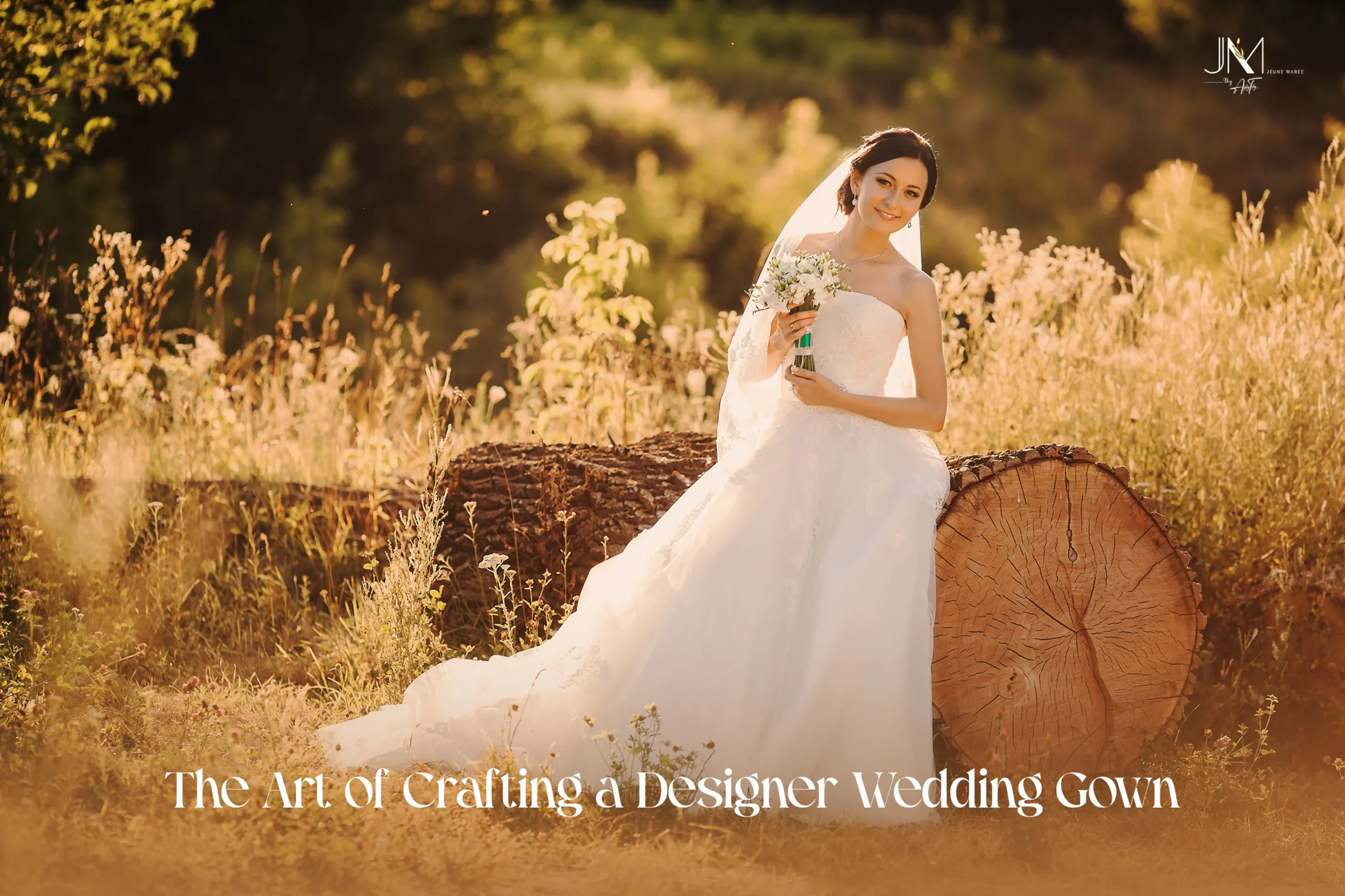
The Art of Crafting a Designer Wedding Gown
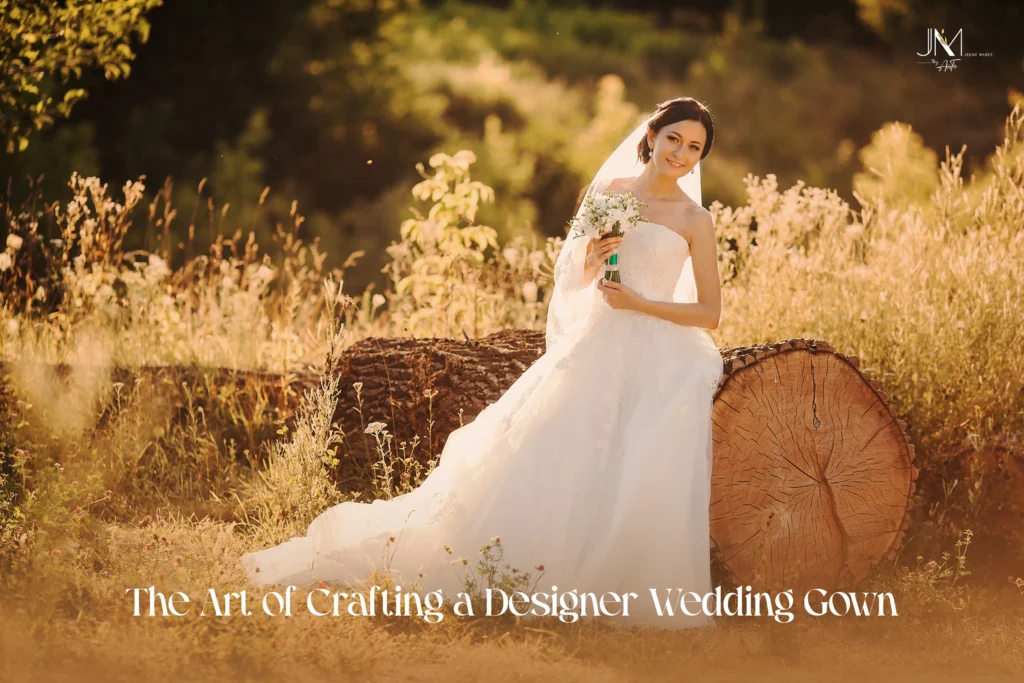
The Art of Crafting a Designer Wedding Gown
A designer wedding gown is a bridal dress made by a named designer or studio. It has an original design, high-quality fabrics and careful finishing by hand. When the gown is made just for you, it also follows a clear process: a first meeting, sketches, a test version in cotton called a toile, several fittings and the final touches.
This guide goes through each stage, shows what well-made work looks like and explains what matters for brides in Kerala, from humid weather to church guidelines. By the end, you will know what to ask before you order a gown and how to judge a designer by more than a famous name.
What sets a designer gown apart?
The difference is not so much the label as the thinking behind it. Look for an original design, a clear style of its own, quality fabrics, an inner structure that supports the dress and finishing done with care.
Shops use a few terms loosely, so it helps to know the common types:
Type | What it usually means | How personal it is |
Ready-to-wear | A finished dress in standard sizes, altered to fit you | Alterations only |
Made-to-measure | An existing design cut to your measurements, sometimes with small changes to the sleeves or neckline | Medium |
Custom-made (also called bespoke) | A design made with you and built from your measurements, then improved over several fittings | High |
Haute couture | A term protected by law in France, with strict rules such as made-to-measure work done by hand in French workshops | Highest, but only a few fashion houses qualify |
The word “couture” on a bridal label can describe a style rather than the protected French term. Whatever the label says, ask what exactly will be made for you, who will make it and where.
How a designer wedding gown is crafted, step by step
Studios work in different ways, but most custom-made designer wedding gowns follow a similar path.
1. First meeting and design plan
You share your ideas, wedding date, venue and budget. A good designer will also ask about the ceremony, the season and how many hours you will wear the gown. Bring photos of styles you like as a starting point, not as something to copy. For a Kerala wedding, mention any church guidelines, whether the reception is indoors or outdoors and whether you want a second outfit.
2. Sketches and choosing fabric
The designer sketches the gown and suggests fabrics, laces and decorations. Some studios give you a hand-drawn sketch and fabric samples once the design is agreed. Hold each sample against your skin and ask how it will feel after several hours in warm, humid air.
3. Making the pattern and the toile
The pattern is made from your measurements. The designer then makes a toile, a full-size test version of the gown in cotton or calico (a plain cotton cloth), so the fit and shape can be made just right before the final fabric is cut. A simple design may need only two toile fittings, while more detailed gowns can need more.
4. Fittings in the real fabric
Once the toile fits well, the gown is cut and sewn in the fabric you chose. Each fitting then improves the way the fabric falls, the balance and the structure. Some designers say around four to five fittings are normal, and very detailed gowns may need more.
5. Adding decoration and building the gown
Lace pieces, embroidery and beadwork are placed carefully, often with you there so you can approve where each piece goes. Some studios also build a custom corset as the base of the gown.
Handwork is slow by nature. UNESCO, for example, recognizes Alençon needle lace-making as part of the world’s living cultural heritage and says it takes about seven hours of work for every square centimetre.
6. Finishing touches and the final fitting
The hem is set to the right length for your shoes, a bustle (a way of lifting the train so you can dance) is added if needed, and the gown is pressed and packed. One designer says the final try-on and pick-up happen about a week before the wedding, though schedules vary.
Fabrics for Kerala’s heat and humidity
Kerala has a humid tropical climate, with rain from both the southwest monsoon (roughly June to September) and the northeast monsoon (roughly October to December). That makes the fabric as important as the shape of the gown. Bridal shops and wedding editors often suggest lightweight, breathable fabrics for hot, humid weddings.
Fabric | What it offers | Kerala note |
Chiffon | Light, flowing and slightly see-through, so it is often used in layers | Good for top layers, sleeves and soft skirts |
Crepe | Smooth and soft-hanging, with a clean line | Suits simple, stylish gowns |
Tulle | Light, airy net that adds fullness | Can feel scratchy after hours of wear, so ask for a soft lining |
Satin | Smooth, firm and formal | Less breathable. Some satins, such as duchess satin, can show water marks |
Lace | Can be fine and light, or thick and beaded | Ask how thick the lace and beading will feel against your skin |
Natural fabrics such as silk and cotton breathe well, but they can crease easily in humid weather. Ask your designer how the gown will be steamed and handled on the day.
A few simple choices can also help you stay comfortable:
- Ask for a breathable lining and a smooth finish inside the top part of the gown.
- Think about removable sleeves or an extra skirt layer, so you can change between the ceremony and the reception.
- Choose a train that can be bustled for dancing and photographs.
- For an outdoor wedding in monsoon season, talk about the hem length and how to protect the gown from damp ground.
Designing for Kerala: churches, culture and more than one look
Check ceremony guidelines early
Customs differ between communities, church groups and places of worship. A 2016 news report said some Kerala churches expected brides to wear a saree, and some priests objected to deep necklines and see-through gowns. Rules may have changed since then, so ask your parish priest, church office or venue before you settle on the design.
If the guidelines are strict, ask your designer how sleeves, a higher neckline or a light top layer could be added without losing the character of the gown.
Bring in Kerala’s cloth traditions
Kasavu, the off-white or cream cloth with a gold zari border, is Kerala’s best-known fabric. Some brides use the same colours in a gown with a gold-edged veil or light zari embroidery. If you like this idea, ask designers whether they have worked with traditional fabrics and ask to see examples.
Plan for more than one outfit
Many weddings include several events, such as a church ceremony followed by a reception. A gown that can change its look, with a removable skirt, sleeves or train, can work for both, although some brides prefer two outfits.
If you or your partner live abroad, ask about video meetings and how fittings can be planned around your travel dates.
How to choose among the top bridal gown designers
Search for the top bridal gown designers and you will find plenty of famous names. Such lists are a fair place to look for ideas, but “top” depends on what you need. A designer known for dramatic ball gowns may not suit a light, breathable gown for a humid afternoon wedding.
When you compare the top bridal dress designers, or any designer you are considering, look for these signs:
- Steady quality in past work. Ask to see how the gown is built, such as the inside of the top part of the gown and how the seams are finished, not only photographs.
- A clear process. Find out who designs, who cuts and sews, and how many fittings are included.
- Straight answers about fabric. Ask where the fabrics come from and how they will feel in the heat.
- A written timeline and quote. It should cover key dates, fitting dates, the payment plan and the rules for alterations.
- Honest advice. A good designer will tell you what will not work for your date, budget or venue.
- Real references. Speak to past clients if possible, or look for verified reviews.
A good fit, a clear process and a delivery date you can trust usually matter more than a ranking.
Timeline and cost: what to expect
Timeline. Plan early, because schedules vary. One custom studio says it holds the toile fitting about four to six months before the wedding, while a couture service describes a process of around twelve months. Bridal guides vary too. Some suggest nine to twelve months for a gown made just for you, with one to three months set aside for alterations.
Cost. Prices depend on the designer, but hours of hand embroidery and beading, high-quality fabrics and lace, a strong inner structure and the number of fittings often push them up. Designers explain that custom-made work costs more because it takes more time. Ask for a written quote that shows exactly what is included, and tell your designer early if your measurements may change.
Quick checklist before you commission a gown
- Check the church or venue guidelines for necklines, sleeves and fabrics.
- Pick two or three designers for a short list and compare how they work, not just their past work.
- Touch the fabric samples and think about how comfortable they will be in heat and humidity.
- Get the timeline, number of fittings, quote and rules for alterations in writing.
- Decide whether you need a second outfit, removable pieces or a bustle.
- Plan the final fitting close to the wedding date, and decide how the gown will be steamed and carried to the venue.
Conclusion
A designer wedding gown is the result of many small decisions: how it is planned, what it is made from, how it is finished and how it will feel in Kerala’s warm, humid air. When you understand the process and ask the right questions, you can order a gown that looks beautiful in photographs and feels comfortable to wear.
When you are ready, make a short list of a few designers, bring your ideas and ask to see their work in person. If you would like to talk through your plans, you are welcome to get in touch and book a no-pressure meeting.
Frequently Asked Questions
A designer wedding gown is any gown by a named designer, and it may be ready-to-wear, made-to-measure or fully custom. A custom gown is made for you from a new design and your own measurements, so ask which one is being offered.
It depends on the design and the studio. Examples range from a toile fitting four to six months before the wedding to a process of around a year, and some designers say four to five fittings are normal. Ask for a written schedule.
Yes, you can wear a wedding dress, but it depends on the church and its traditions. Some churches may have guidelines on necklines and sleeve length, or may expect you to wear a saree. Contact your church directly to make sure your dress will be okay.
Often, yes. A gold border, zari details or kasavu-style colours can be worked into a gown, so ask designers to show you examples of similar work.
Chiffon and crepe are light fabrics that are often suggested for hot, humid weather. Satin can feel quite warm. It is best to try some fabric samples on your skin.
Bring photos of styles you like, your date and venue details, any church guidelines, a rough budget and the shoes or jewellery you plan to wear.
Latest Posts
The Art of Crafting a Designer Wedding Gown
Discover how a designer wedding gown is crafted, from the first consultation and fabric selection to fittings and final finishing. Explore suitable fabrics for Kerala’s climate, traditional design details, church guidelines, timelines and tips for choosing the right bridal gown designer.
Top Bridal Designers in Kochi You Must Check Out
Kochi has emerged as a premier bridal fashion destination, blending Kerala’s textile heritage with contemporary global design. From bespoke couture houses to value-driven boutiques, bridal designers Kochi offer everything from minimalist Christian gowns to reinvented Kasavu sarees and cinematic lehengas. This blog explores top designers, 2026 trends, price ranges, and expert tips to help brides find a wedding outfit that reflects both tradition and modern elegance.
How to Choose the Right Fabric for Kerala’s Climate on Your Wedding Day
Choosing the best wedding fabric for Kerala climate is essential for brides who want to stay elegant and comfortable in high humidity. This guide explains breathable bridal fabrics, what to avoid, saree vs lehenga fabric choices, day vs night wedding options, and expert tips to beat the heat on your big day.
The Best Bridal Makeup Artists in Kochi
Choosing the best bridal makeup artists Kochi is essential for a flawless wedding look. This guide covers top Kochi makeup artists across budgets, popular bridal makeup styles, airbrush vs HD makeup, trial sessions, pricing, and key booking tips for Kerala brides.
Customized Bridal Lehengas in Kochi – What Brides Need to Know
The demand for customized bridal lehengas Kochi is rising as modern brides seek outfits that reflect their personality, heritage, and unique love story. From flawless fits to exclusive hand-crafted embroidery, this blog explains why Kochi brides prefer bespoke lehengas, how the customization process works at Jeune Maree, and what brides must know before designing their dream wedding outfit.
The Kochi Bride: bridal fashion trends 2025 Kochi
The Kochi bridal fashion scene in 2025 is redefining traditional South Indian wedding style with comfort-driven silhouettes, modern fusion drapes, pastel palettes, 3D embroidery, and sustainable handloom choices. This detailed guide explores the latest bridal fashion trends 2025 Kochi brides are following, with insights from top designers and boutiques shaping Kerala’s evolving wedding aesthetic.
